
Flowery Branch Roof Damage After the September 5 Storm: What Homeowners Should Check
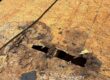
Photo: DOM Roofing & Restoration, from a July 2025 roof inspection. Shown as an example of roof surface damage, not damage attributed to the September 5, 2026 storm.
The short answer: On September 5, 2026, the National Weather Service (NWS) named Flowery Branch in two strong-thunderstorm statements that warned of radar-indicated wind gusts of 40–50 mph, pea-size hail, frequent lightning and heavy rain. A preliminary NWS report also documented power lines down on Cash Road at Elizabeth Lane in southern Hall County. Those reports do not prove that every roof was damaged, but they are a good reason to check your property from the ground and schedule a free professional roof inspection if you see anything unusual.
Wind damage can be easy to miss. A roof does not need to lose an entire section of shingles to become vulnerable. One lifted tab, a broken sealant strip or a crease along the nail line can admit wind-driven rain during the next storm. Hail damage is often even less obvious from the driveway because the impact can bruise the asphalt mat beneath an otherwise intact-looking surface.
If you own a home in Flowery Branch, Oakwood, Buford or the Lake Lanier corridor, this guide explains what the weather record says, what you can safely look for and how to decide between roof repair and roof replacement in Flowery Branch.
What Happened in Flowery Branch on September 5, 2026?
The first NWS statement affecting Flowery Branch was issued at 5:22 p.m. EDT. Forecasters tracked a line of strong thunderstorms extending from near Auraria to near Oakwood and moving south. The statement named Flowery Branch among the communities in the path and listed a maximum wind gust of 50 mph and maximum hail size of 0.25 inch.
A second NWS statement followed at 5:36 p.m. EDT for a strong thunderstorm over Rest Haven moving south at 15 mph. It again named Flowery Branch and warned of 40–50 mph wind, pea-size hail and frequent cloud-to-ground lightning.
At approximately 5:35 p.m., a preliminary NWS local storm report documented power lines down on Cash Road at Elizabeth Lane, reported as about two miles west-southwest of Chestnut Mountain. That is direct evidence of damaging wind in southern Hall County during the same storm period.
Important distinction: the 40–50 mph wind and pea-size hail values were radar-indicated hazards, while the downed power lines were a reported impact. A warning polygon or nearby damage report identifies an area that deserves attention; only an inspection can determine whether a particular roof sustained damage.
Sources: original NWS products archived by Iowa State University — September 5 statement at 5:22 p.m. EDT; statement at 5:36 p.m. EDT; preliminary report of downed power lines at 5:35 p.m. EDT. Archived records checked October 24, 2026. Warning hazards and reported impacts do not establish damage to an individual roof.
Can 40–50 MPH Wind Damage an Asphalt Shingle Roof?
Yes. The outcome depends on the roof’s age, shingle type, installation quality, exposure and pre-existing condition. A newer, properly installed architectural shingle roof may come through without functional damage. An older roof with brittle shingles, weakened adhesive seals or exposed edges can lose tabs or suffer creasing at lower wind speeds.
Wind damage clues a roofer looks for
Lifted, missing or shifted shingles
Wind works under unsealed edges. A shingle may lift and settle back down, so the roof can look normal from the street even after its seal has broken. Missing pieces in the yard are obvious; lifted corners and shifted courses usually require a closer inspection.
Creases across shingle tabs
When wind bends a tab upward, the reinforcing mat can crease or tear. A creased shingle has lost strength even if it lies flat again. These marks commonly appear on windward slopes, ridges, rakes and roof areas next to walls or dormers.
Loose ridge caps, flashing or vents
Ridge-cap shingles and metal components sit at high-pressure points. A roofer should check fasteners, pipe boots, vents, step flashing and counterflashing—not just the broad field of shingles.
Tree-limb impact
A limb does not need to puncture the roof to cause trouble. It can crack shingles, loosen flashing, damage gutters or flex the decking. If a branch hit the home, keep people away from the area below and request an inspection.
What About Hail Damage?
The September 5 statements for Flowery Branch mentioned pea-size hail, below the one-inch severe-hail threshold. Those statements alone do not support a claim of damaging hail at your address. Roof condition, impact size and the actual inspection findings matter. For this event, missing or creased shingles and debris impacts are practical reasons to request a wind-damage inspection.
Do not assume that a dark spot is hail damage. Legitimate hail evaluation looks for a consistent impact pattern across multiple roof components and separates storm-related bruising from blistering, foot traffic, manufacturing defects and ordinary granule loss.
Seven Signs You Can Check Safely From the Ground
Please do not climb onto a wet or storm-affected roof. Loose granules, hidden soft spots and displaced materials create a serious fall risk. Instead, walk the property after conditions are safe and look for:
- Shingles or shingle fragments in the yard, driveway or gutters.
- An uneven roofline or tabs that appear raised, curled or out of alignment.
- Dents in gutters, downspouts or roof vents that were not present before the storm.
- Fresh tree debris resting on or against the roof.
- Water spots on ceilings or walls, damp insulation or a musty attic odor.
- Granules collecting at downspout exits in noticeably larger quantities than normal.
- Detached flashing, fascia or gutter sections visible around eaves and roof transitions.
Take wide and close photos from safe locations. Include the date, the affected side of the house and any related yard or tree damage. Keep damaged materials you find on the ground if they can be collected safely.
When Storm Damage Is an Emergency
Call for immediate help if a tree or large limb has struck the roof, part of the roof deck is exposed, water is actively entering the home, a ceiling is bulging or a power line is down nearby. Stay well away from downed lines and call the utility or 911 as appropriate. Do not place a ladder, tarp or tool near electrical lines.
If the home is safe to occupy but the roof is exposed, professional emergency roof tarping can limit additional water intrusion until permanent work is scheduled. Save receipts and photographs of reasonable emergency measures for your records.
Roof Repair or Roof Replacement After Wind Damage?
A localized repair may be appropriate when damage is confined to a small area, surrounding shingles remain flexible and compatible replacement material is available. Repair can include replacing damaged shingles, resealing flashing, correcting a displaced ridge cap or repairing a small decking area.
Replacement may make more sense when damage appears across multiple slopes, the roof is near the end of its service life, shingles are too brittle to repair without causing more breakage, matching materials are unavailable or the roof system has widespread installation problems. The decision should follow a slope-by-slope assessment—not a sales pitch based only on the storm date.
DOM Roofing & Restoration’s Flowery Branch roofing team documents the visible condition, explains repair and replacement options and provides a written scope. If the roof does not need work, we will say so.
How to Handle a Possible Insurance Claim
Insurance coverage depends on the specific policy, deductible, exclusions, roof age and the carrier’s determination of cause and scope. Wind and hail may be covered perils, but a storm warning alone does not establish a covered loss.
- Document what you can see safely. Photograph debris, exterior damage and interior water signs.
- Review your policy. Check the declarations page, wind/hail deductible, roof settlement terms and duties-after-loss language.
- Request a professional inspection. A photo report helps distinguish storm damage from wear, maintenance issues and older defects.
- If you choose to file, contact your insurer. The policyholder files the claim and the insurer decides coverage.
- Keep a timeline. Save the claim number, adjuster communications, estimates, photos and receipts.
DOM Roofing can inspect the roof, document conditions, prepare a construction estimate and meet the adjuster to discuss roofing components. We do not act as public adjusters or decide coverage. Contact your insurer promptly about suspected damage and notice requirements; an inspection appointment should not delay required notice. Read our Georgia roof insurance claim guide for more background.
Free Storm-Damage Roof Inspection in Flowery Branch
If your home was in the September 5 storm path, the smartest next step is information. DOM Roofing & Restoration provides free roof inspections in Flowery Branch and throughout southern Hall County. We inspect shingles, ridges, flashing, vents, gutters and visible decking conditions, then share the findings with you.
Schedule your free Flowery Branch roof inspection or call (678) 766-9646. There is no pressure to file a claim or replace a roof that can be repaired.
Flowery Branch Storm Roof Damage FAQ
Was Flowery Branch included in the September 5 storm alerts?
Yes. NWS statements issued at 5:22 p.m. and 5:36 p.m. EDT named Flowery Branch and warned of radar-indicated 40–50 mph wind, pea-size hail and frequent lightning.
Does a 50 mph warning mean my roof was damaged?
No. It means conditions capable of damaging vulnerable roofs were possible in the warned area. Roof age, exposure and installation matter, and only a property-specific inspection can confirm damage.
Can wind damage exist without a leak?
Yes. Broken adhesive seals and creased tabs may not leak immediately. The next wind-driven rain can exploit those weak points, which is why prompt documentation is useful.
Should I climb onto the roof to take pictures?
No. Photograph visible conditions from the ground and let an insured roofing professional handle rooftop documentation.
How soon should I schedule an inspection?
As soon as practical if you see debris, missing shingles or water entry. Even without obvious damage, an inspection soon after the storm creates a clearer record of the roof’s condition.
DOM Roofing & Restoration is a roofing contractor, not an insurer or public adjuster. We document roof conditions and prepare repair or replacement scopes. Policyholders file claims, and insurers determine coverage, scope and payment. Weather details above are based on NWS products issued September 5–6, 2026.