
Hoschton Roof Damage After September 5, 2026: Repair and Replacement Guide
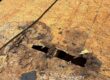
Photo: DOM Roofing & Restoration, from an August 2025 roof inspection. Chalk circles mark impact areas on asphalt shingles; this is not a photograph of the September 5, 2026 storm.
The short answer: Hoschton was specifically named in a National Weather Service (NWS) Severe Thunderstorm Warning issued at 5:10 p.m. EDT on September 5, 2026. The warning listed radar-indicated wind gusts up to 60 mph and quarter-size hail up to one inch, with possible wind damage to roofs, siding and trees. Minutes later, a preliminary NWS storm report documented a large tree down on vehicles near the intersection of Highway 211 and Highway 347 in the Braselton–Hoschton area.
That is a legitimate reason for Hoschton homeowners to check their property. It is not proof that every roof in the warning area sustained damage. Wind and hail paths vary block by block, and even neighboring roofs can perform differently based on age, slope, exposure and installation quality. A free professional roof inspection is the safest way to turn a storm alert into a property-specific answer.
What the September 5 NWS Warning Actually Said
The NWS Peachtree City office issued a Severe Thunderstorm Warning for Barrow County, northeastern Gwinnett County, south-central Hall County and west-central Jackson County. At 5:10 p.m., radar placed the storm near Road Atlanta–Lanier Speedway, about 10 miles south of Gainesville, moving south at 20 mph.
The warning named Hoschton, Braselton, Winder, Jefferson, Auburn, Bethlehem and nearby communities. It listed:
- Maximum wind gust: 60 mph, radar indicated
- Maximum hail size: 1.00 inch, radar indicated
- Expected impacts: hail damage to vehicles and wind damage to roofs, siding and trees
At 5:15 p.m., a preliminary local storm report recorded a large tree down on vehicles near Highway 211 and Highway 347, reported as one mile northwest of Thompsons Mill in Hall County. That report documents wind damage in the surrounding area; it should not be described as a confirmed roof loss inside Hoschton city limits.
What the record does not say: it does not establish that one-inch hail reached every address in Hoschton, or that every roof was damaged. The warning values were radar indicated. The local storm reports document specific impacts at specific locations.
Sources: original NWS products archived by Iowa State University — September 5 warning at 5:10 p.m. EDT; preliminary report of a tree on vehicles near Highway 211 and Highway 347. Archived records checked October 24, 2026. Warning values describe potential hazards rather than measurements at every home.
Why 60 MPH Wind Is a Roofing Concern
Wind pressure is not evenly distributed across a roof. It concentrates at rakes, eaves, ridges, corners and transitions. Turbulence also increases around dormers, chimneys and neighboring structures. That is why a roof can show damage on one slope while another looks untouched.
Common wind-damage patterns
Broken shingle seals
Asphalt shingles rely on factory-applied adhesive strips to resist uplift. Heat and time help the shingles seal, but age, dust, shade, previous repairs and installation issues can weaken that bond. A tab may lift during the storm and settle back into place with a broken seal that is invisible from the ground.
Creased or torn tabs
When a tab bends upward, the fiberglass or organic mat can crease near the nail line. Once creased, the shingle has lost structural strength and may tear off during the next storm.
Ridge, rake and flashing damage
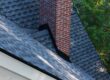
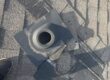
Ridge caps and roof edges face high uplift forces. Wind can also loosen apron flashing, step flashing, pipe boots, metal vents and improperly fastened gutters. A complete storm inspection checks the full roof system.
Damage from falling limbs
The nearby tree-down report matters because impact damage can be serious even without a visible hole. A limb can crack shingles, dent metal, dislodge gutters or flex the decking and framing beneath the roof covering.
Can Quarter-Size Hail Damage a Hoschton Roof?
It can. One-inch hail is the NWS severe-thunderstorm threshold, but actual roof performance varies. Newer architectural shingles may resist an event that bruises older, sun-brittle shingles. Wind-driven hail strikes with more energy and at an angle, which can increase damage on the windward slopes.
Roof hail damage is not simply “missing granules.” A qualified inspection looks for a random, storm-consistent impact pattern and checks whether the shingle mat is bruised or fractured. The inspector also compares the roof with softer metals such as vents, flashing, gutters and downspouts. Mechanical scuffs, blistering and ordinary wear should not be misidentified as hail.
What Hoschton Homeowners Should Do Now
- Wait until conditions are safe. Stay away from downed trees and power lines. Report electrical hazards to the utility or 911.
- Walk the property from the ground. Look for shingles in the yard, displaced tabs, damaged gutters, tree impact and new exterior dents.
- Check inside. Look at ceilings, upper walls and accessible attic areas for damp insulation, water stains, drips or daylight.
- Photograph visible evidence. Capture wide shots and close-ups from safe positions. Include yard debris and damage to fences, screens, gutters or vents.
- Arrange a documented inspection. A roofer can assess each slope, roof penetration and metal component without requiring you to climb.
- Review your insurance policy before filing. Check the wind/hail deductible, roof settlement endorsement and notice requirements.
If the roof is open to rain or water is actively entering, call for emergency roof tarping and repair. Do not attempt to tarp a steep, wet or electrically hazardous roof yourself.
Repair vs. Replacement After Wind or Hail Damage
Not every storm-damaged roof needs replacement. A targeted roof repair may be the right choice when the damage is isolated, the surrounding shingles remain serviceable and compatible materials are available.
Full replacement may be appropriate when functional damage extends across multiple slopes, the roof is already brittle or near the end of its useful life, repairs would disturb surrounding shingles, the decking is compromised or the system has widespread installation deficiencies. The correct scope should be based on inspection findings, manufacturer requirements and applicable code—not on a generic hail map.
For roof replacement in the Hoschton area, ask for a written estimate covering tear-off, decking repairs if needed, underlayment, flashing, ventilation, shingles, cleanup and warranty terms. Permit and inspection requirements must be checked for the property’s actual jurisdiction. DOM Roofing & Restoration is based in Sugar Hill and also serves nearby Braselton and Flowery Branch.
How Storm-Damage Insurance Works in Georgia
Coverage is controlled by the policy and the insurer’s claim decision. A warning, hail map or neighborhood report can support the date and local weather context, but it does not by itself establish damage or coverage at your address.
A practical claim sequence
- Inspect and document. Start with facts about your property, not assumptions based on the warning.
- Read the policy. Confirm whether the roof is settled at replacement cost value, actual cash value or under a roof payment schedule.
- The policyholder decides whether to file. If you file, use the carrier’s official claims channel and keep the claim number.
- The insurer inspects and decides coverage. Your roofer may meet the adjuster to identify roof components and share documentation.
- Compare scopes. Make sure the carrier estimate and contractor estimate address the same roofing system, quantities and code-required work.
DOM Roofing documents conditions, prepares a construction estimate and answers technical questions about the roof. We do not interpret policy coverage or negotiate claims as a public adjuster. Contact your insurer promptly about suspected damage and policy deadlines; do not delay required notice while waiting for an inspection. For more background, read our Georgia hail and wind insurance claim guide.
Why Choose a Local Roofing Contractor After a Storm?
Major storms attract out-of-area crews. Before signing anything, verify the company’s permanent business address, insurance, manufacturer credentials, written workmanship warranty and recent local reviews. Ask who will handle service if a problem appears after storm season.
DOM Roofing & Restoration is a veteran-owned, family-operated North Georgia contractor. We provide roof inspection, storm-damage documentation, repair, replacement and restoration services. We stay focused on the roof while the homeowner and insurer make claim decisions.
Our storm damage restoration services cover roofing and related exterior components, and our GAF Master Elite certification allows qualifying homeowners to choose enhanced manufacturer warranty options.
GAF President’s Club Award Winner. DOM Roofing & Restoration is also GAF Master Elite certified.
Schedule a Free Hoschton Storm-Damage Roof Inspection
If your Hoschton-area property was in the September 5 warning path, do not guess from the driveway. Let a trained professional inspect the roof and document what is actually there.
Request your free Hoschton roof inspection or call (678) 766-9646. We will explain whether the roof appears undamaged, needs a localized repair or warrants a replacement estimate.
Hoschton Storm Roof Damage FAQ
Was Hoschton under a severe thunderstorm warning on September 5, 2026?
Yes. The NWS warning issued at 5:10 p.m. EDT specifically named Hoschton and listed radar-indicated wind gusts up to 60 mph and hail up to one inch.
Was storm damage actually reported near Hoschton?
Yes. A preliminary NWS local storm report documented a large tree down on vehicles near Highway 211 and Highway 347 in Hall County. This supports nearby wind damage, not damage to every Hoschton roof.
Does radar-indicated one-inch hail prove my roof was hit?
No. Radar shows where hail was possible and estimates its size aloft. Hail can vary across short distances. A roof inspection is needed to confirm damage at a specific address.
What does wind damage look like on shingles?
Common signs include missing tabs, lifted edges, creases near the nail line, displaced ridge caps and loose flashing. Some damage is not visible from the ground.
Can I wait until the roof leaks?
Waiting can allow a broken seal or bruised shingle to become a larger water problem. Early inspection also creates a time-stamped record closer to the storm date.
Will insurance pay for a new roof?
It depends on confirmed damage and the terms of your policy. The insurer determines coverage, scope and payment after applying deductibles, exclusions and roof settlement provisions.
DOM Roofing & Restoration is a roofing contractor, not an insurer or public adjuster. We document roof conditions and prepare repair or replacement scopes. Policyholders file claims, and insurers determine coverage, scope and payment. Weather details above are based on NWS products issued September 5–6, 2026.