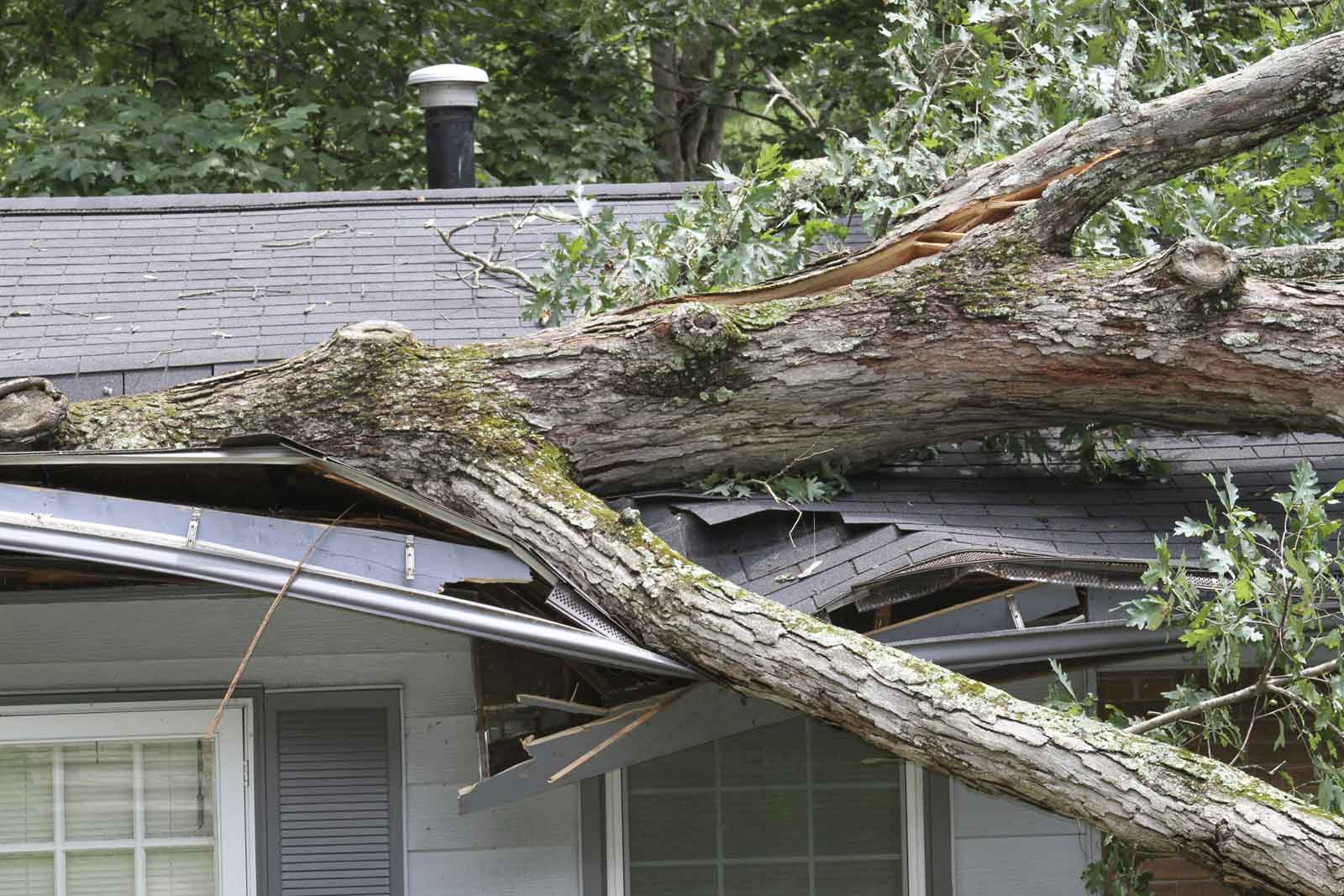
Tree Falls on Roof — What to Do Next
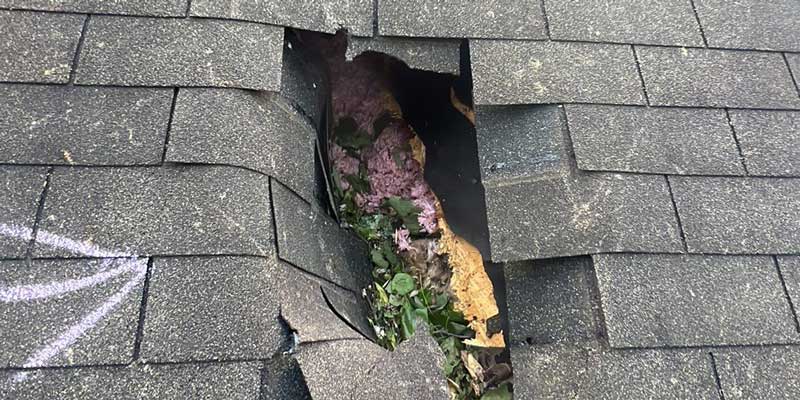 Imagine waking up in the middle of the night to a loud crash, only to discover that a tree has fallen on your roof. It’s a scenario that no homeowner wants to experience, but it’s more common than you might think. Whether it’s due to severe weather, disease, or simply the age of the tree, a fallen tree can cause significant damage to your home. Understanding what to do when a tree falls on roof and how to prevent it from happening again is crucial.
What to Do if a Tree Falls on Your House due to an “act of God”
Imagine waking up in the middle of the night to a loud crash, only to discover that a tree has fallen on your roof. It’s a scenario that no homeowner wants to experience, but it’s more common than you might think. Whether it’s due to severe weather, disease, or simply the age of the tree, a fallen tree can cause significant damage to your home. Understanding what to do in such a situation and how to prevent it from happening again is crucial.
Immediate Steps to Take When a Tree Falls on Your Roof
Ensure Safety First
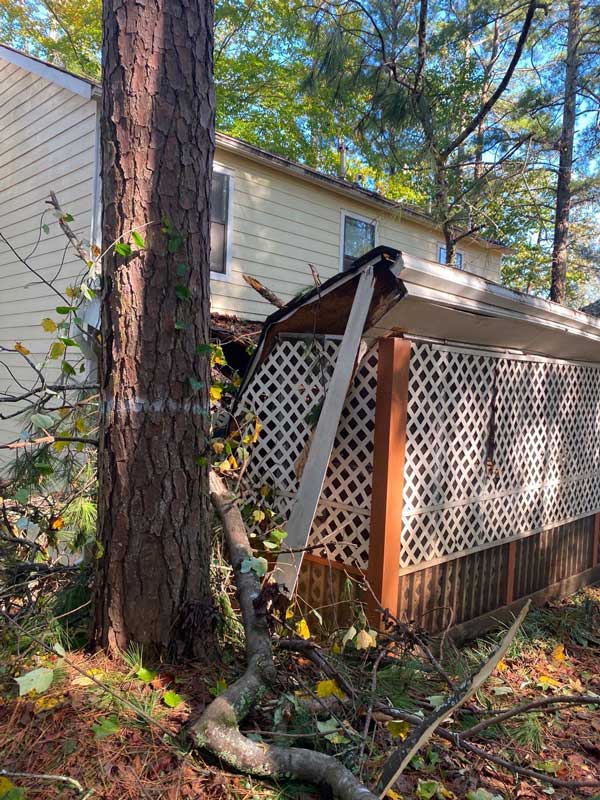 Your safety and the safety of your loved ones should be your top priority. If a tree has fallen on your roof, the first thing you should do is make sure everyone in the house is safe. Avoid the area where the tree has impacted the roof, as there could be structural damage that could lead to further collapse.
Evacuate the House
If the damage appears severe or if you’re unsure about the safety of staying inside, evacuate the house immediately. It’s better to be cautious in these situations, especially if there’s a risk of the roof caving in or if electrical lines have been damaged.
Call Emergency Services
Once everyone is safe, contact your local emergency services. They can assist in assessing the immediate danger, such as downed power lines or significant structural damage. If you’re unable to leave the house safely, they can help you evacuate.
Call your insurance company
While you’re waiting safely outside the house, you can take a moment to call your insurance company. Just as you did with the local emergency services, let them know that a tree fell over your house and ask them what you need to do. They will guide you through the process of filing a claim and may provide immediate assistance with emergency repairs.
Find out if your home is safe enough to remain or if you need to find temporary housing
Ask emergency responders whether it is safe to remain in the home. If you need to leave, contact your insurer about any applicable additional-living-expense coverage, limits, and documentation; renters should also notify their landlord.
Document the Damage
Document damage from a safe location without entering a damaged structure or approaching a fallen tree or utility line. Interior photographs can wait until responders or qualified professionals confirm that access is safe.
You need a local roofing company
If a tree falls on roof, call a local roofing company to inspect your roof to determine if it needs roof repair or a full roof replacement. We service the entire Metro Atlanta, GA and our phone number is 678-766-9646. Contact us today for a free evaluation after a tree fell on your house.
Assessing the Damage of a Tree Fallen on Your House
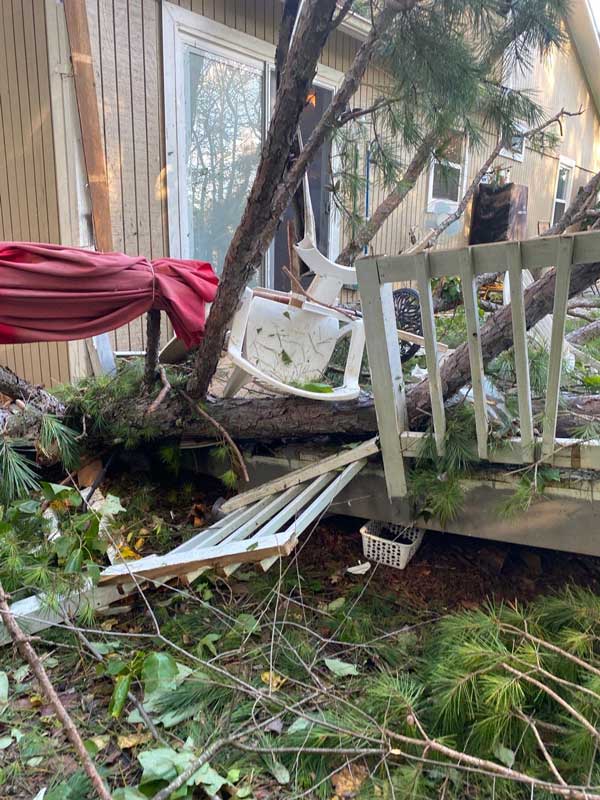 Stay away from downed wires, trees touching wires, and damaged utility equipment. If you smell gas or suspect a utility emergency, leave the area and call 911 and the utility from a safe location. Do not approach the affected area to operate switches or shutoffs; follow emergency responders’ instructions.
Inspecting the Extent of Damage
Have emergency responders or qualified structural and roofing professionals assess the damage before anyone enters an unsafe area. A homeowner’s visual check cannot establish structural safety after a tree impact.
Understanding Structural vs. Cosmetic Damage
Even damage that appears limited to shingles or gutters may expose the home to water entry or hidden damage. Arrange a prompt assessment and any needed temporary protection once the area is safe.
Temporary Repairs
Covering the Roof with a Tarp
After the area is cleared for access, a qualified roofing crew can assess whether temporary tarping or other emergency protection is appropriate. Do not climb onto a tree-damaged roof.
Securing Broken Windows and Doors
If the tree has broken any windows or doors, secure them with plywood or heavy plastic to keep the elements out and maintain the security of your home.
Removing trees and tree branches
Use a qualified tree-removal professional for a tree on a structure, a suspended limb, or work near utilities. Damaged wood can move unexpectedly, and branches under tension can release suddenly.
If homeowners are using chainsaws, they need to follow some basic safety instructions. This might save somebody’s leg or life.
There are simple steps that can significantly reduce injuries from chainsaws:
- Wearing protective chaps
- Safety glasses
- Chainsaw helmet with earmuffs and protective screen.
Chainsaw chaps and other appropriate protective equipment can reduce injury risk and severity, but they are not cut-proof and do not guarantee protection at full speed. Training, safe work procedures, and hazard assessment remain necessary.
Cutting up a fallen tree is not a DIY project for amateurs. You might save money on tree removal, but you could end up paying for an emergency room visit. Cutting trees is very dangerous, especially in storm situations. It depends on the skill.
Even those experienced with power tools need to take precautions before tackling a fallen tree. Whenever trees are down, the first thing to do is look for power lines. Believe it or not, trees conduct electricity, and every year many people are electrocuted by touching a branch that is also touching a live power line.
Also, be careful about branches bent beneath a fallen tree. They can have a powerful spring effect. Another common injury occurs when someone cuts a branch, and the tree shifts because of the reduced weight, potentially causing serious injury or death.
Choosing a Professional Roof Repair Service when a Tree Falls on Roof
Finding a Reliable Contractor
When it comes to repairing your roof, you’ll want to find a reliable contractor. Look for someone with experience in handling similar situations and who comes highly recommended.
What to Look for in a Roof Repair Specialist
Check for proper licensing and insurance, read reviews, and ask for references. A good contractor should be able to provide you with a detailed estimate and timeline for the repairs.
Getting Multiple Quotes
It’s always a good idea to get multiple quotes before settling on a contractor. This ensures that you’re getting a fair price and helps you gauge the level of service you can expect.
Trust the Pros for Quality Emergency Tree Damage Repairs
 Get fast and effective emergency roof, gutters, siding, and other repairs after a tree falls with the #1 Atlanta area roofing company to ensure you and your property get the attention and care you deserve. We are the best roofing contractor in Metro Atlanta, GA, with offices in Sugar Hill and Suwanee, and serve the entire Metro Atlanta Area, GA area including Suwanee, Alpharetta, Sugar Hill, Johns Creek, Buford, Norcross, Duluth, Lawrenceville, Flowery Branch, Dacula, Cumming, Roswell, Woodstock, Marietta, Kennesaw and more.. We know the local area, including the architecture and the seasonal weather changes. This makes them the better choice to help create sustainable fixes that hold up long-term. Our company’s name is DOM Roofing & Restoration because our mission is to restore and improve your home and make every customer feel comfortable and safe in their home after storm damage, tree damage, high winds, and others. We can repair your gutters, siding, framing, and other emergency repairs.
Filing an Insurance Claim
How to File a Claim
Filing an insurance claim can be a daunting task, but it’s necessary to cover the cost of repairs. Contact your insurance company as soon as possible, provide them with the documentation you’ve collected, and follow their guidance. We can provide roof-condition documentation and a construction estimate for you to share with the insurer. The insurer evaluates the claim and controls coverage and payment decisions; DOM Roofing does not negotiate insurance coverage or act as a public adjuster.
What to Expect from the Insurance Process
A roofer can document roof damage and provide an itemized construction estimate for the insurer to review. The insurer decides coverage and payment under the policy.
Common Pitfalls to Avoid
If you disagree with the claim decision, request the insurer’s written explanation and review your policy. Your roofer can clarify its construction estimate; seek help from your insurer, a licensed public adjuster, or an attorney for coverage or legal disputes.
Understanding Your Home Insurance Policy
Coverage for Tree Damage
Not all home insurance policies cover tree damage, and those that do may have specific exclusions. Review your policy carefully to understand what is and isn’t covered.
Deductibles and Out-of-Pocket Costs
The deductible is the portion of a covered loss assigned to you under the policy and is commonly deducted from the settlement. You may also be responsible for non-covered work or costs above policy limits; ask the insurer to explain the calculation.
Understanding Policy Limits
Insurance policies have limits on the amount they will pay for a claim. Ensure you understand these limits and whether they will cover the total cost of repairs.
Preventing Future Incidents
Regular Tree Maintenance
One of the best ways to prevent a tree from falling on your roof is through regular maintenance. This includes trimming branches, removing dead or diseased trees, and ensuring that trees are healthy and well-maintained.
Recognizing Hazardous Trees
Look for signs of a hazardous tree, such as large dead branches, cracks in the trunk, or a tree that leans significantly. If you’re unsure, consult a professional arborist.
The Importance of Professional Tree Inspections
A professional tree inspection can identify potential risks that you may not notice. It’s especially important to have trees inspected after severe weather or if you’re concerned about a particular tree.
The Role of Weather in Tree Falls
How Weather Contributes to Tree Falls
Weather plays a significant role in tree falls, with high winds, heavy rain, and ice build-up being the most common culprits. Understanding how weather affects trees can help you take preventive measures.
Preparing for Storms and High Winds
Before a storm hits, ensure that trees around your home are secure. Trim any overhanging branches and consider removing trees that pose a risk.
Landscaping Tips for Preventing Tree Damage
Choosing the Right Trees for Your Property
Not all trees are suitable for every location. When planting new trees, choose species that are known for their strength and resistance to wind and other elements.
Proper Planting Techniques
Planting trees correctly can help prevent future problems. Make sure trees are planted at the right depth and in a location where they have room to grow without interfering with your home.
Regular Pruning and Maintenance
Regular pruning helps keep trees healthy and can prevent branches from becoming too heavy and breaking off during a storm.
Understanding the Legal Aspects
Who is Responsible for a Fallen Tree?
Responsibility for a fallen tree and coverage for the resulting damage depend on the facts, policy terms, and applicable law. Contact your insurer promptly and document the tree’s condition and damage from a safe location.
Where the tree lands does not, by itself, resolve every question about cleanup liability or insurance payment. Ask the insurer which removal costs are covered and seek legal advice if responsibility is disputed.
A tree’s prior condition, maintenance history, and any notice of a hazard may be relevant to a liability dispute. Preserve records rather than assuming that ownership alone determines responsibility.
Neighbor’s Tree Falls on Your Roof: What to Do
If a neighbor’s tree damages your roof, report the loss to your insurer and keep photographs, correspondence, and receipts. Ask the insurer how your policy applies and whether it will consider recovery from another party.
Legal Steps to Take
In some cases, you may need to take legal action if your neighbor refuses to accept responsibility. Consulting with a lawyer can help you understand your options. Especially if it was a problematic, dead tree and you notified the neighbor about it previously.
Community Resources and Assistance
Local Services for Emergency Situations
Many communities offer emergency services that can assist in the immediate aftermath of a tree fall. This includes help with evacuation, temporary housing, and emergency repairs.
Government Assistance Programs
Depending on the severity of the damage, you may qualify for government assistance. This could include grants or low-interest loans to help cover repair costs.
Emotional and Mental Health Considerations
Coping with the Stress of a Home Emergency
Dealing with a tree falling on your roof can be incredibly stressful. It’s important to take care of your mental health during this time by seeking support from family, friends, or a mental health professional.
Seeking Support from Family and Friends
Don’t hesitate to lean on your support system. Whether it’s helping with repairs, providing a place to stay, or just offering a listening ear, your loved ones can be a valuable resource during this time.
Tree damage to your property is something serious
Having a tree fall on your roof is a serious and potentially life-altering event. However, by knowing the steps to take immediately after the incident and understanding how to prevent future occurrences, you can minimize the impact on your life and your home. Remember, preparation is key, and regular maintenance of your property and trees can go a long way in preventing such disasters.
FAQ When a Tree Falls on Your House
Can a house withstand a tree falling on it?
Yes, but a tree falling on a house can cause extensive damage. It depends on the size of the tree and the areas of the house that become damaged.
Are fallen trees covered by homeowners insurance?
Homeowners insurance may cover damage from a fallen tree depending on the cause, covered property, policy terms, deductible, and exclusions. Ask your insurer about both the building damage and any tree-removal limits.
What should I do immediately if a tree falls on my roof?
Ensure the safety of everyone in the house, evacuate if necessary, and contact emergency services. Afterward, document the damage and contact your insurance company.
How can I tell if the tree has caused structural damage?
Look for signs such as cracks in the walls, sagging ceilings, or doors that no longer close properly. If you’re unsure, consult a professional.
Will my insurance cover the cost of repairs?
This depends on your specific insurance policy. Review your policy or speak with your insurance company to understand what is covered.
What steps can I take to prevent trees from falling on my house?
Regular tree maintenance, professional inspections, and choosing the right trees for your property can help prevent such incidents.
Who is responsible if my neighbor’s tree falls on my roof?
Report the damage to your insurer and preserve the facts about the tree and incident. Whether another party is legally responsible, or an insurer seeks reimbursement, depends on the circumstances and applicable law.