
If you own a home in the Atlanta metro area, your roof takes a beating. Between the summer heat, the afternoon thunderstorms from May through September, and the hail events that seem to roll through every spring—your roof has a harder job than most people realize. And when something goes wrong, the contractor you choose to fix it matters just as much as the materials on your roof.
This guide breaks down what Atlanta homeowners actually need to know before hiring a roofer. Not sales pitches. Not vague checklists. Real, practical advice from a contractor's perspective on how to protect your home and your wallet.
Why Atlanta Is Tough on Roofs
Atlanta doesn't get the hurricanes that hit the coast, but our weather is no joke. We sit right in the path of severe thunderstorm systems that push through north Georgia every spring and summer. Hail and straight-line winds are the two biggest threats to roofs in our area, and they don't always leave damage you can see from the ground.
Wind Damage
Wind damage is sneaky. A strong storm can lift shingle tabs just enough to break the seal strip underneath. That shingle might look fine for weeks or even months—until water starts working its way under it.
Hail Damage
Hail is the same story. A roof can take thousands of hail impacts in a single storm, and every one of those hits bruises the shingle and knocks off protective granules. You won't always see cracked or missing shingles, but the damage is there.
Heat and UV Exposure
Then there's the heat. Atlanta summers push well into the 90s, and your roof surface temperature can hit 150°F or higher. That kind of sustained heat breaks down asphalt shingles over time, especially on south-facing slopes. If your roof is already 15 or 20 years old, a couple of bad hail seasons combined with our summer heat can shorten its remaining lifespan faster than you'd expect.
Older Roofs vs. Newer Neighborhoods
The age and type of your home plays a big role in what kind of roofing work you'll need.
Homes in Marietta and Roswell
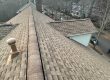
Older neighborhoods in Marietta and Roswell have a lot of homes built in the '80s and '90s with original three-tab shingles that are well past their expected lifespan. Many of these roofs were built with 20-year shingles that are now pushing 30 or 35 years old. If that sounds like your house, you're likely overdue for a roof replacement in Atlanta.
Newer Subdivisions in Alpharetta and Johns Creek
On the other hand, newer subdivisions in Alpharetta, Johns Creek, and parts of Cumming were built with architectural shingles that have 30-year or even lifetime warranties from the manufacturer. But here's the catch—those warranties only hold up if the roof was installed correctly in the first place. We've seen plenty of newer roofs where shortcuts were taken during the building boom, and those installation issues show up once the roof weathers a few storm seasons.
Don't assume your roof is fine just because your neighborhood is newer. And don't assume your older roof needs a full replacement when a well-done roof repair might buy you several more years.
How to Verify a Contractor's License and Insurance
This is the single most important step, and it's the one homeowners skip the most. In Georgia, roofing contractors are required to hold a valid license to operate legally. Here's what you should verify before signing anything:
State License
Ask for the contractor's Georgia license number and look it up on the Secretary of State's website. If they can't provide one or give you a runaround, walk away.
General Liability Insurance
This protects your property if something goes wrong during the job. Don't just take their word for it—ask for a Certificate of Insurance and verify it's current. Call the insurance company listed on the certificate if you want to be extra careful.
Workers' Compensation
This is the one most homeowners forget. If a worker gets injured on your property and the contractor doesn't carry workers' comp, you could be on the hook for medical bills. Georgia law requires workers' comp for companies with three or more employees, but some smaller crews try to skirt this.
Written Contract
Every legitimate contractor should provide a written scope of work that includes the materials being used, the timeline, the total price, and the warranty terms. If someone wants to start tearing off your roof based on a handshake and a verbal estimate, that's a red flag.
Warning Signs of a Bad Roofing Contractor
After every major hail event in the Atlanta metro, storm chasers show up. These are out-of-town crews that go door to door offering free inspections and promising to get your insurance company to pay for a brand-new roof. Some of them are legitimate. Many are not. Here's what to watch out for:
They Want Money Upfront
A reputable contractor might ask for a small deposit once materials are ordered, but anyone demanding a large payment before work begins is a risk. In Georgia, it's actually against the law for a home improvement contractor to collect more than the cost of materials before starting work.
They Pressure You to Sign Fast
Storm chasers love urgency. They'll tell you the insurance company only gives you a short window, or that prices are going up next week. A real contractor who plans to be in Atlanta next year isn't going to pressure you into a decision today.
They Can't Show You Local References
Ask for addresses of jobs they've completed in your area. If every reference is three states away, they're probably following the storm and won't be around if you have a warranty issue two years from now.
They Offer to Cover Your Deductible
This is insurance fraud, plain and simple. If a contractor offers to waive or pay your deductible, they're planning to inflate the claim to make up the difference. This can get both of you in trouble.
No Physical Office
Fly-by-night operations work out of trucks and hotel rooms. A contractor with a real office, a real address, and a track record in the community has a lot more to lose by doing poor work.
How Insurance Claims Work in Georgia
Dealing with a roof insurance claim can be confusing if you haven't been through the process before. Here's the basic flow:
Document the Damage
Take photos of anything you can see from the ground—missing shingles, dented gutters, damaged siding. Don't climb on the roof yourself.
File the Claim
Call your insurance company to file a claim. They'll assign an adjuster to inspect the damage. The adjuster's job is to assess what needs to be repaired and put together an estimate.
Get a Contractor's Inspection
Here's where it gets tricky. The insurance adjuster works for the insurance company, not for you. Their initial estimate may not cover the full scope of work needed. That's why it helps to have a qualified roofing contractor do their own inspection and provide a detailed estimate. If there's a gap between what the adjuster says and what the contractor says, your contractor can work with the adjuster to reach a fair settlement. This is called a supplement, and it's a normal part of the process.
A good contractor will walk you through every step of the claim, meet with the adjuster on-site, and handle the supplement paperwork. You should never feel like you're navigating the insurance process alone.
Georgia has a three-year statute of limitations on property damage claims. If your roof was damaged in a storm, don't wait too long to file. We've seen homeowners lose coverage because they sat on damage for two or three years before acting. If you suspect storm damage, schedule a storm damage inspection sooner rather than later.
How to Spot Storm Damage on Your Roof
You can do a basic visual check from the ground after a storm. Here's what to look for:
Missing or Displaced Shingles
High winds can tear shingles off entirely or flip them up. This is the most obvious sign of damage.
Dented Gutters and Downspouts
If your gutters have dimples or dings, your roof likely took hail too. Check the flashing around chimneys and vents for the same kind of impact marks.
Granule Loss in Gutters
After a hail event, check the bottom of your downspouts and where your gutters drain. If you see a pile of dark, sand-like granules, that's material being knocked off your shingles. Some granule loss is normal over time, but a sudden accumulation after a storm means your shingles took real hits.
Cracked or Dented Siding and Window Screens
Hail doesn't just hit your roof. If your siding has pock marks or your window screens are dented, your roof almost certainly sustained damage too. Siding repair is often part of the same insurance claim.
Damaged or Clogged Gutters
Storms can bend, pull loose, or clog your gutter system with debris. Damaged gutters can cause water to back up under your roof edge, so gutter installation and repair should be part of any post-storm assessment.
Don't get on the roof yourself. Damaged shingles can be slippery, and you might cause more damage by walking on a compromised surface. Let a contractor with the right equipment handle the up-close inspection.
When a Roof Needs Replacement vs. Repair
Not every problem means you need a whole new roof. Here's a general rule of thumb:
When Repair Makes Sense
Repair is the right call when the damage is isolated to one section, the rest of the roof is in good shape, and your roof still has meaningful life left—say 10 years or more of expected service. A few missing shingles from a wind event, a small leak around a pipe boot, or localized storm damage can usually be addressed with roof repair services without touching the rest of the roof.
When Replacement Makes Sense
Replacement makes sense when the damage is widespread, the roof is nearing the end of its expected lifespan, or you're seeing signs of systemic failure—curling shingles, widespread granule loss, multiple leaks, or daylight visible through the decking from the attic. If you're past the 20-year mark on a three-tab roof or you're looking at your third repair in as many years, it's probably time for a full roof replacement in Atlanta.
There's a gray area in between, and that's where an honest contractor earns your trust. If a repair will genuinely get you another 5 to 10 years, a good contractor will tell you that. If they're recommending a full replacement, they should be able to show you exactly why.
What to Ask During a Roof Inspection
When a contractor comes out to inspect your roof, don't just take their word for it. Ask questions:
"Can I see the photos?"
Any contractor doing a proper inspection should be taking photos up on the roof and sharing them with you. If they come down after five minutes and tell you the whole roof needs replacing without showing you a single photo, that's a problem.
"What's the condition of the decking?"
The plywood underneath your shingles matters just as much as the shingles themselves. Soft or rotted decking needs to be replaced during a reroof, and that adds cost. A thorough inspection includes checking for soft spots.
"What materials do you recommend, and why?"
There's a big difference between a basic three-tab shingle and a premium architectural shingle. A good contractor should explain the options and help you understand what makes sense for your budget and your home's needs.
"What does the warranty cover?"
There are two types of warranty on a roofing job: the manufacturer's warranty on the shingles and the contractor's workmanship warranty on the installation. Make sure you understand both. A 50-year shingle warranty doesn't mean much if the installation was done wrong and the workmanship warranty only covers a year.
"What's your timeline?"
In Atlanta, roofing contractors get booked up fast after storm season. Get a clear answer on when work will start and how long it will take. If a contractor is vague about timing, they might be overcommitting.
Choosing the Right Roofing Material
Architectural Asphalt Shingles
For most homes in the Atlanta area, architectural asphalt shingles are the go-to choice. They handle our climate well, they come in a wide range of colors and styles, and they offer a solid balance between cost and performance. Premium lines from manufacturers like GAF and CertainTeed come with enhanced warranties when installed by certified contractors.
Metal Roofing
Metal roofing is gaining popularity, especially in neighborhoods where homeowners want a longer-lasting option. A standing seam metal roof can last 50 years or more and handles hail better than asphalt. The upfront cost is higher, but you may never have to replace it.
Tile and Slate
Tile and slate are less common in metro Atlanta but show up in some higher-end neighborhoods. They're beautiful and incredibly durable, but they're heavy—your home's structure needs to be designed to handle the load.
Don't Forget Ventilation
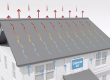
Whatever material you choose, proper ventilation matters. Atlanta's heat and humidity can wreak havoc on an under-ventilated attic. Trapped moisture leads to mold, rot, and premature shingle failure. Make sure your contractor evaluates your attic ventilation as part of any roofing project.
About DOM Roofing & Restoration
DOM Roofing & Restoration is a veteran-owned, family-operated roofing contractor serving homeowners throughout the Atlanta metro area, including Sugar Hill, Suwanee, Alpharetta, Cumming, Buford, Marietta, Johns Creek, and Augusta. They offer free roof assessments, assist with insurance claims, and provide roof repair, roof replacement, gutter repair, siding repair, and emergency roofing services.